

Category Archives: Uncategorized
East Sacramento Science is Alive
Little green creatures are terra-forming East Sacramento. They are not from Alpha Centauri and they don’t speak Martian, but they are members of a Green Team.
The small beings are students at Theodore Judah School. They dig, collect and process more than 50 pounds of compost and maintain multiple gardens on the elementary campus.
The Science Alive program at the school makes this all possible with the student Green Team.
-
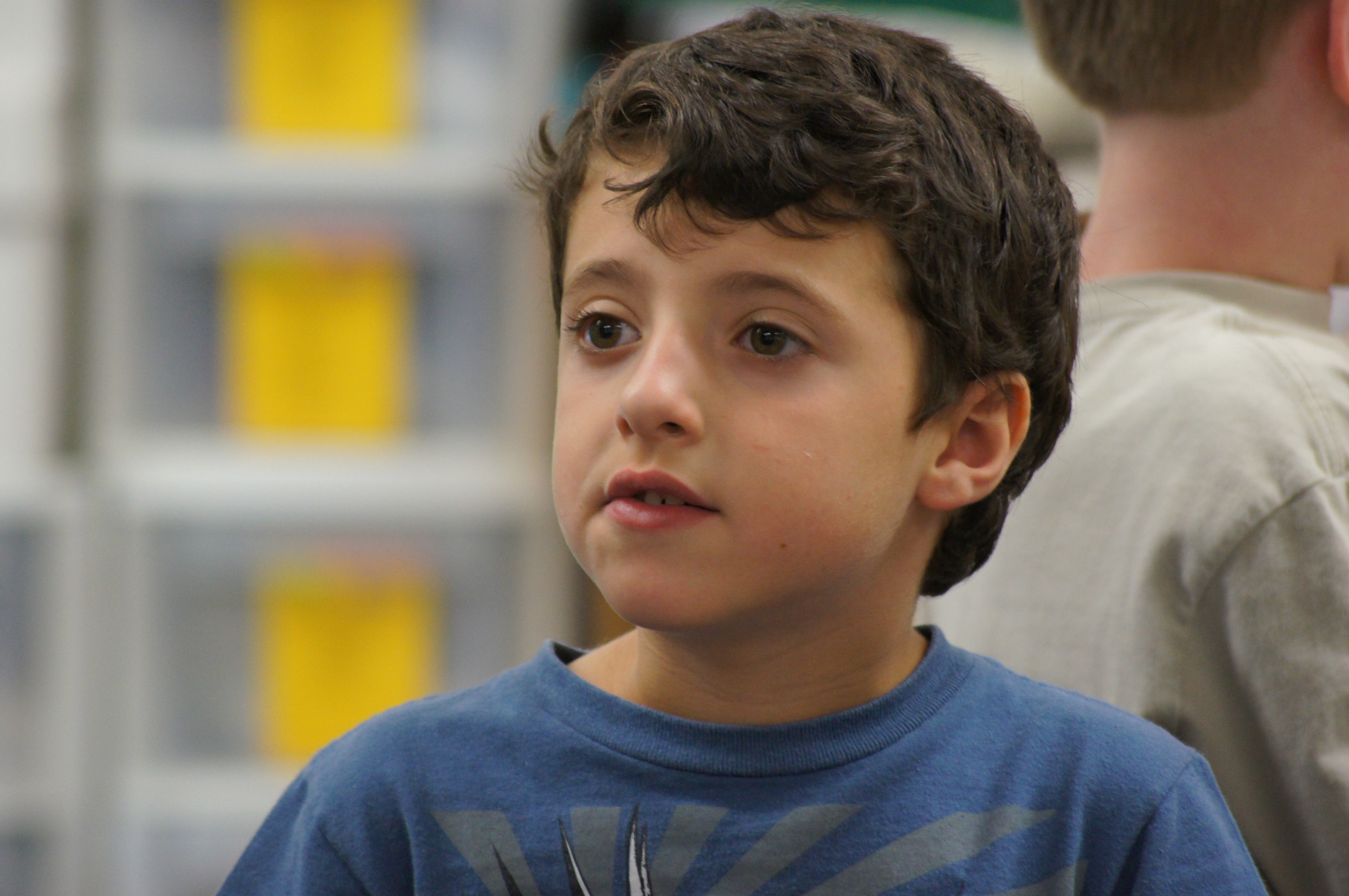
- Science student
-
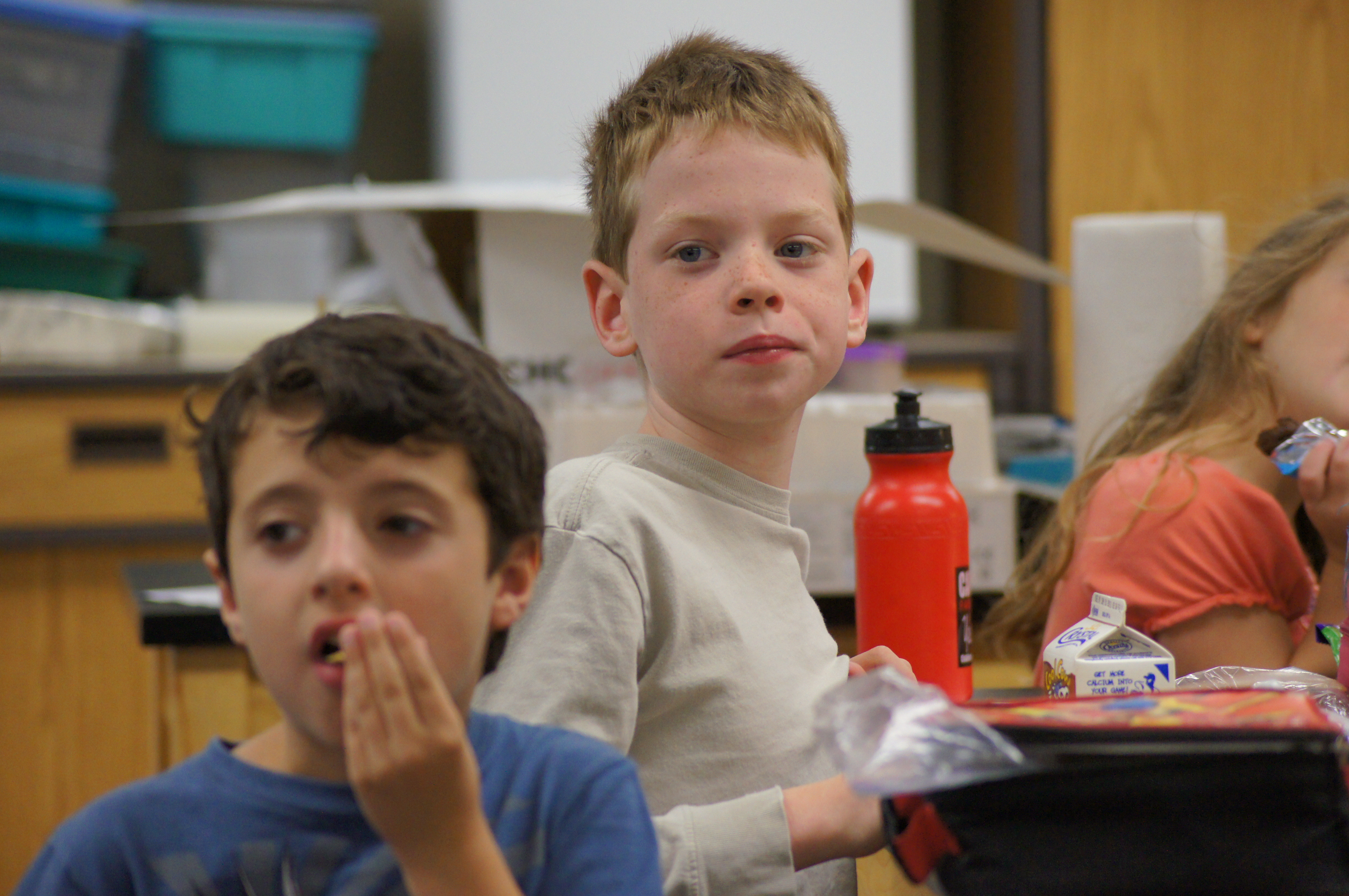
- A working lunch
-
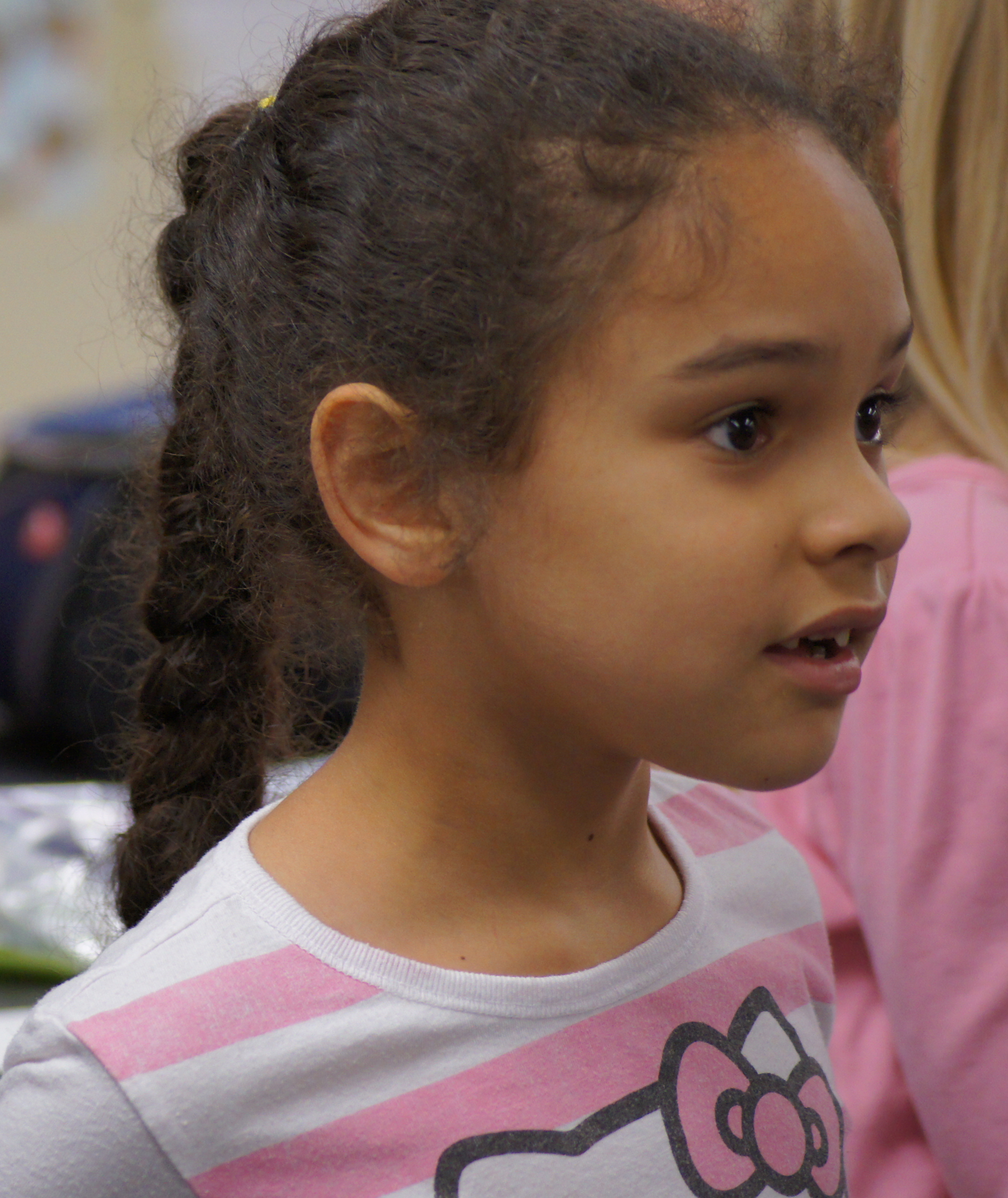
- An eager learner
-

- Break time
-
- Label design
-
- Teamwork
-
- Supervisor
-
- Yuck to muck
-
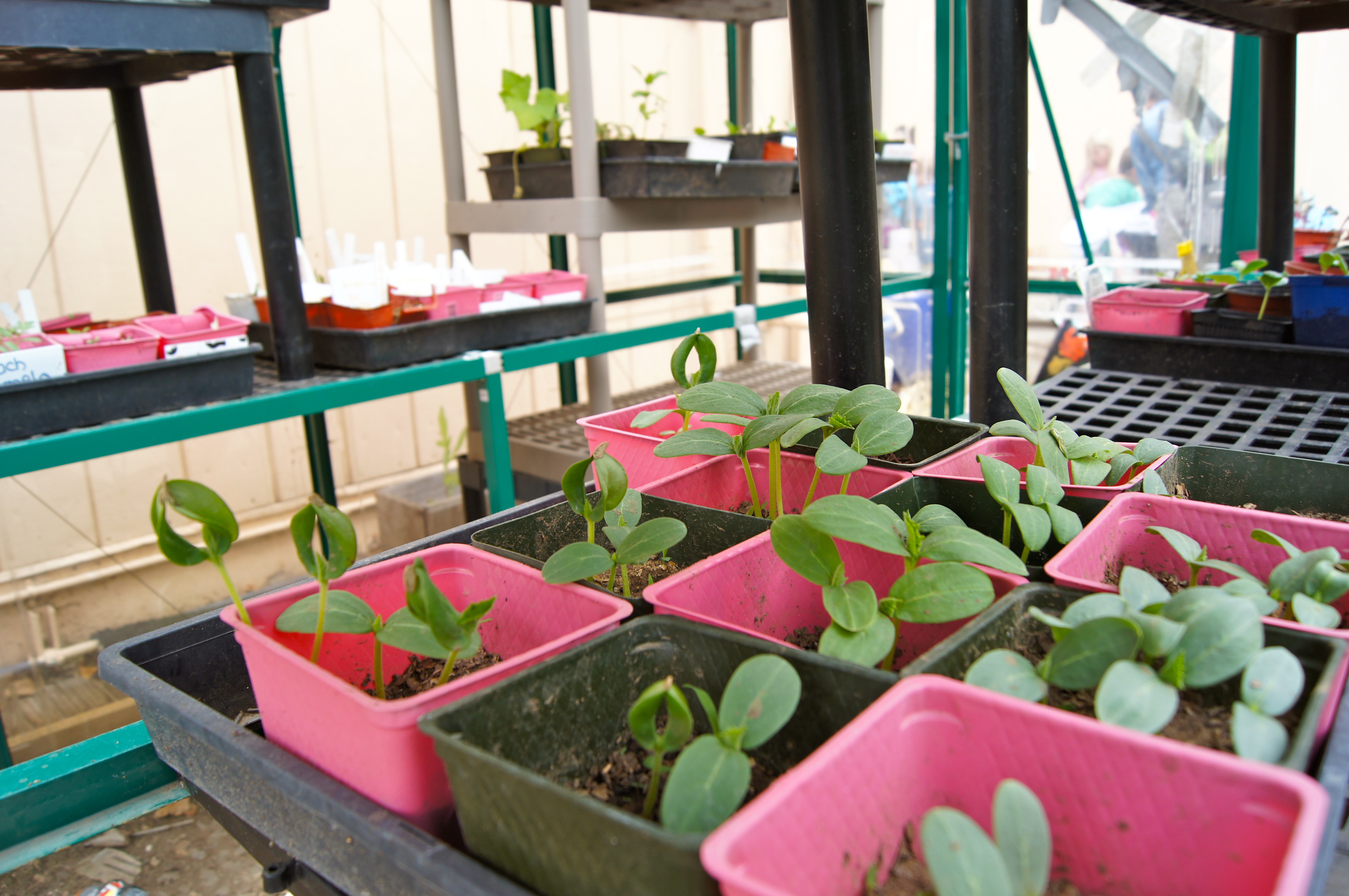
- Sprouts
-

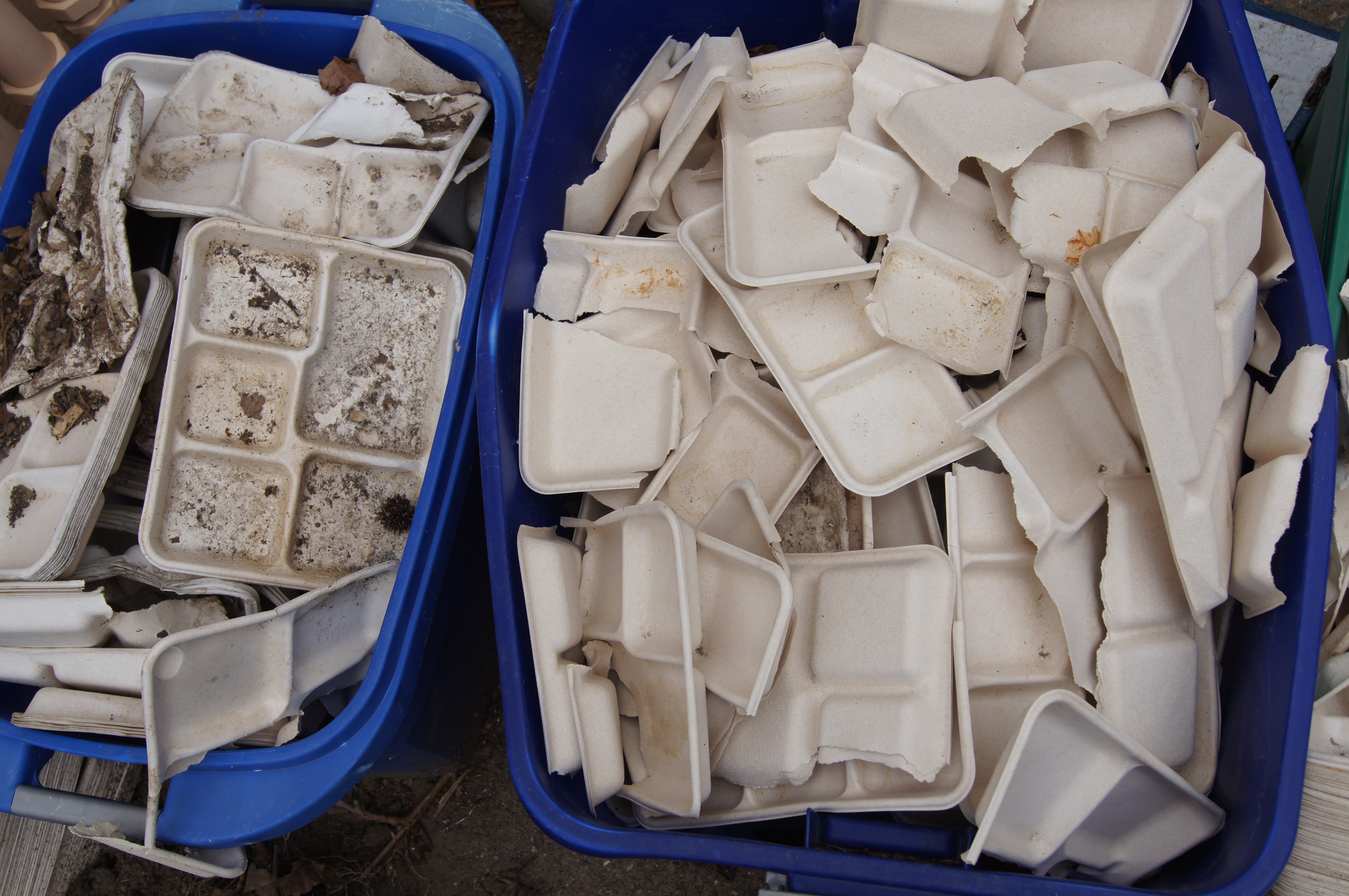
- Biodegradable lunch trays
-
- Green Team compost for sale
-
- Compost box
-
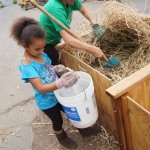
- Mixing it up
-
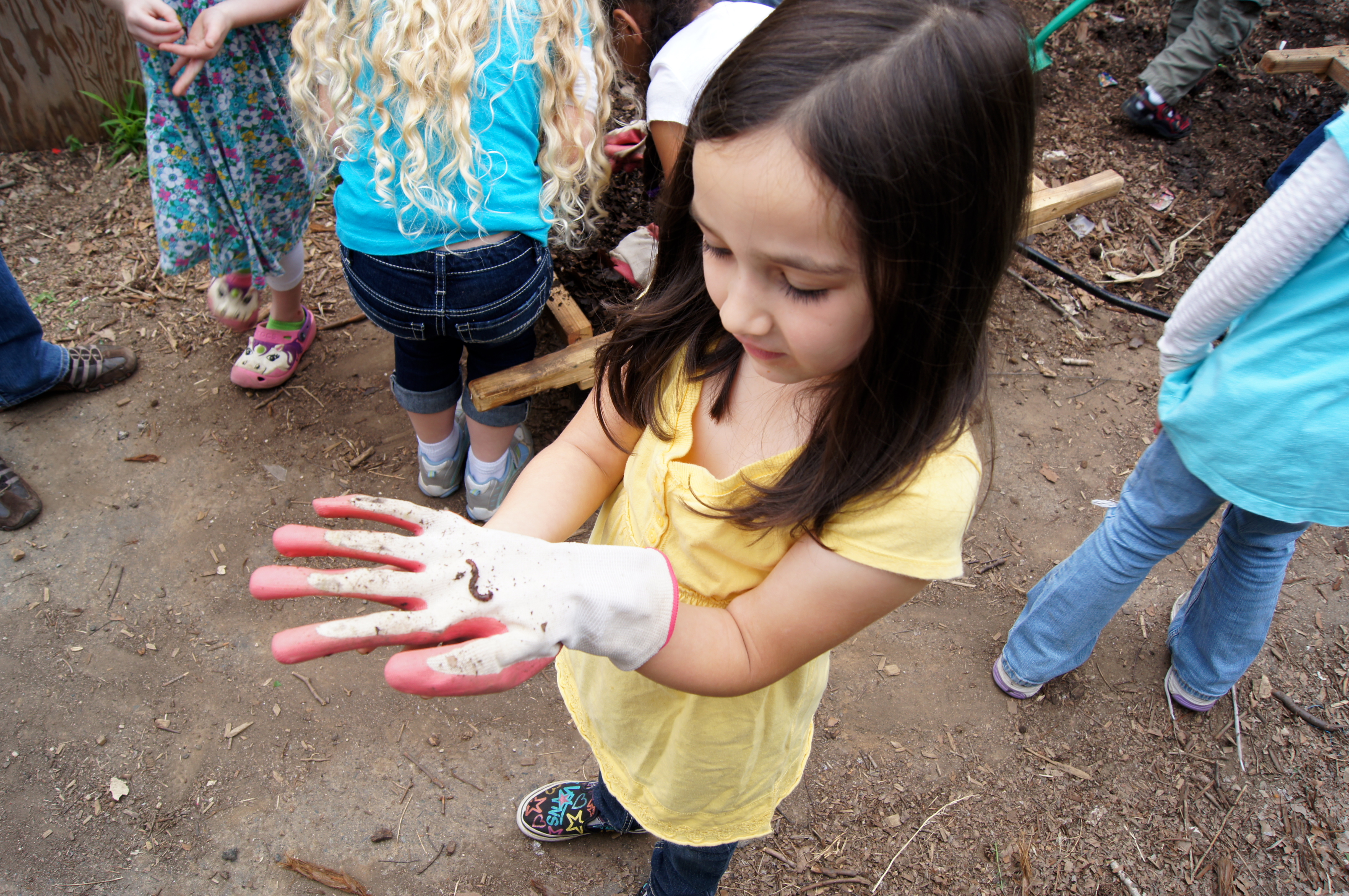
- It’s a worm!
-
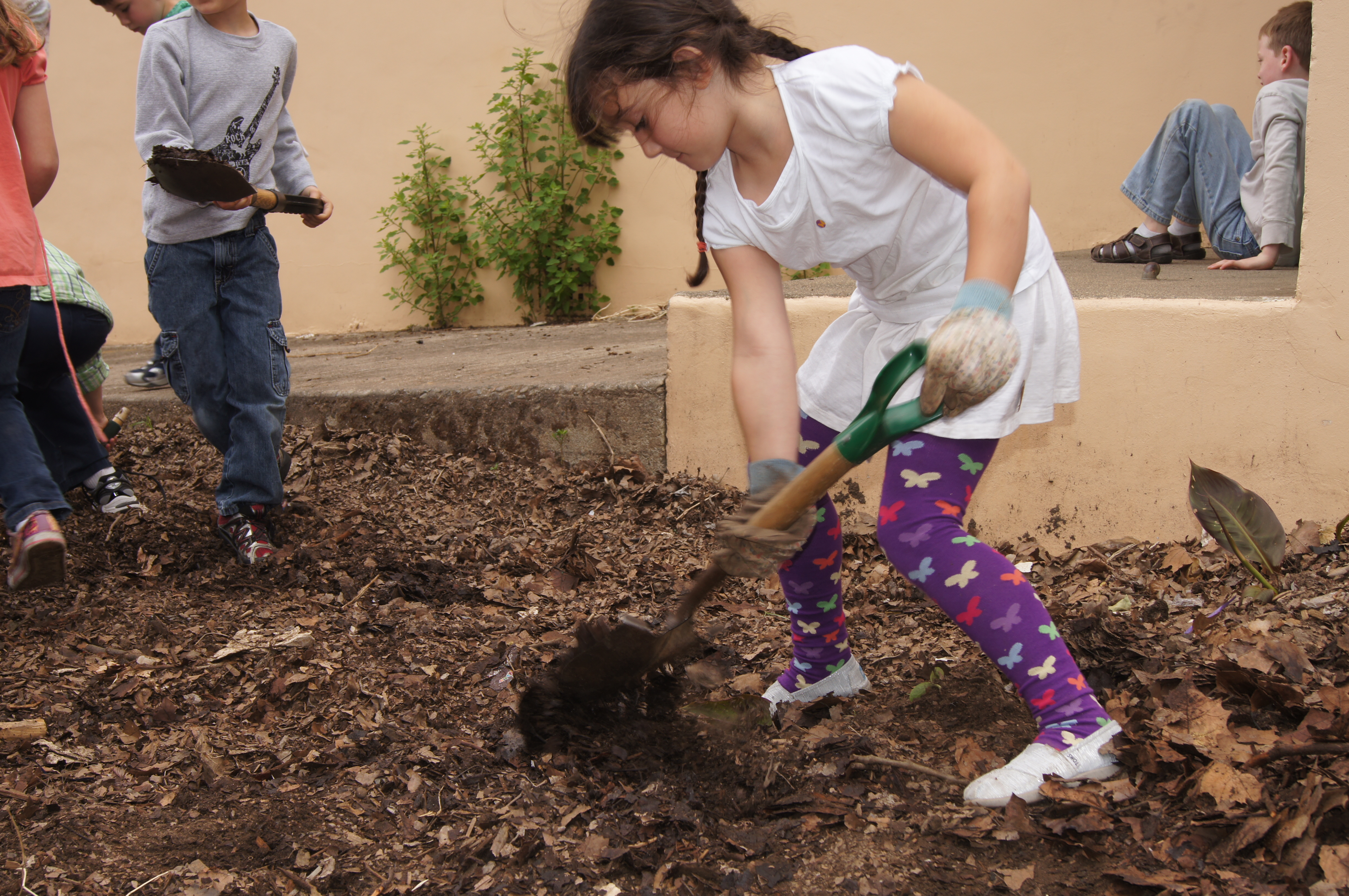
- Heave ho
-
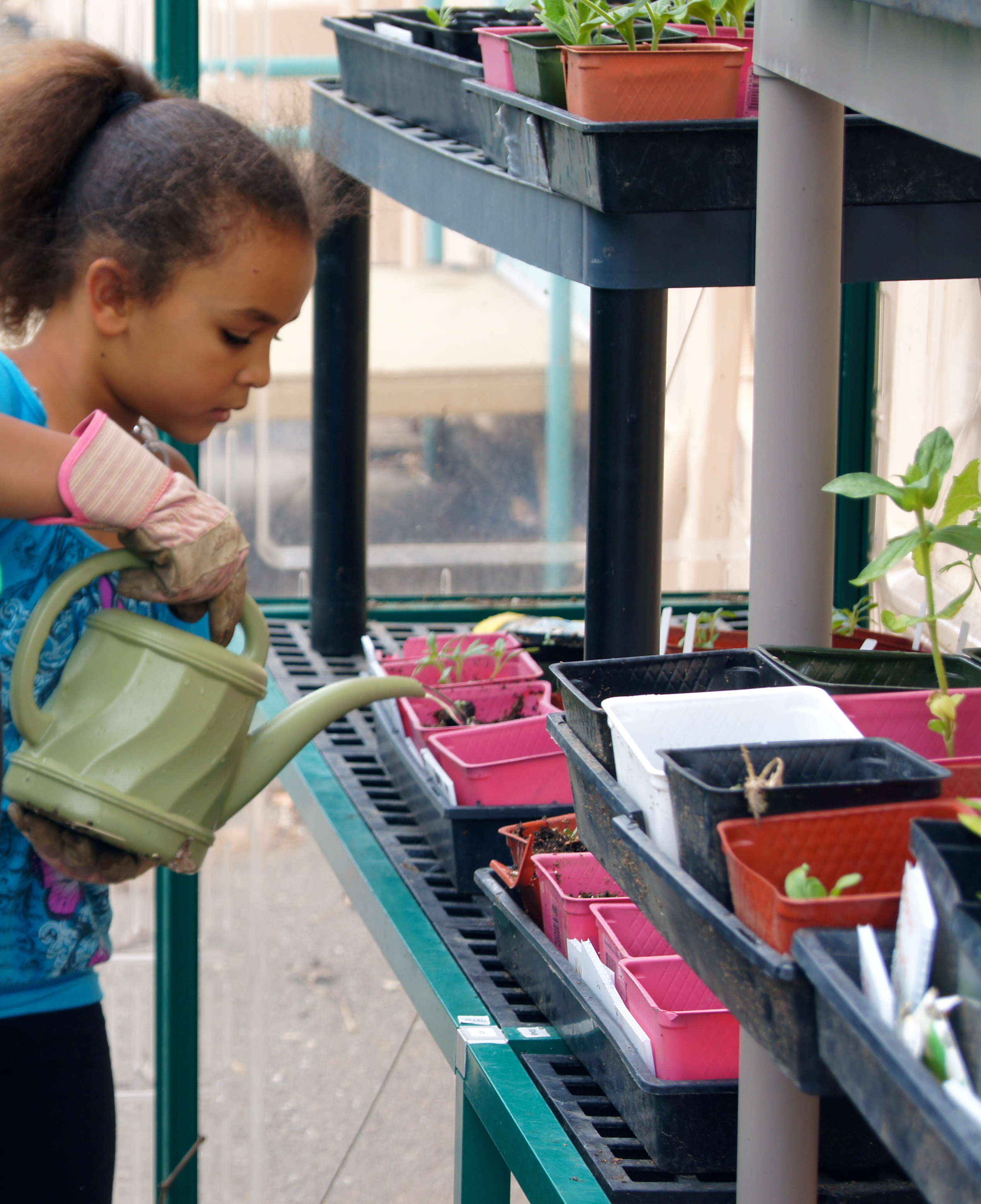
- Tender care
-
- A garden zone
-
- Empty milk cartons mean less stink
-
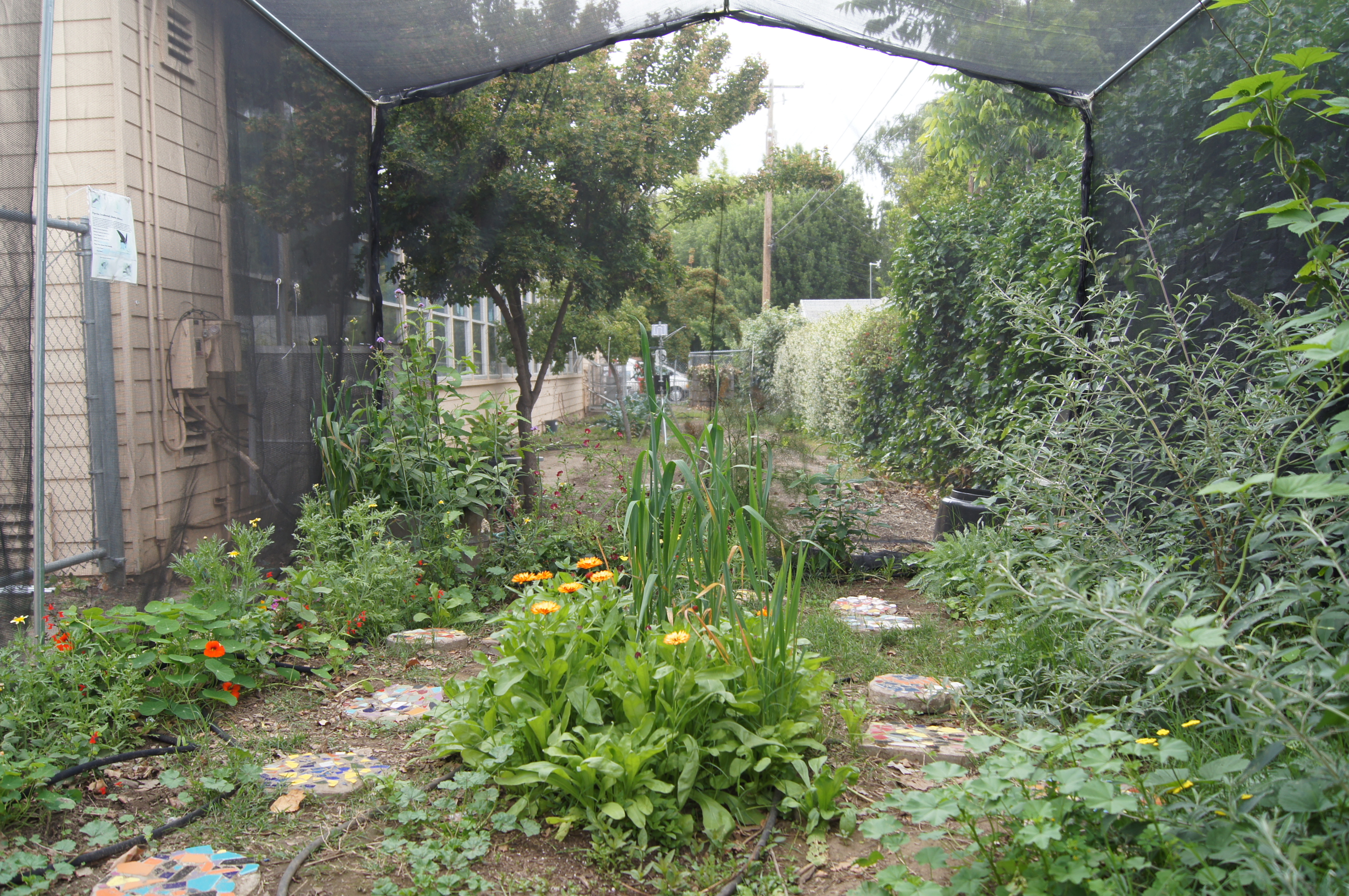
- Butterfly Pavilion
-
- Hardwicke, Milken and Marshall
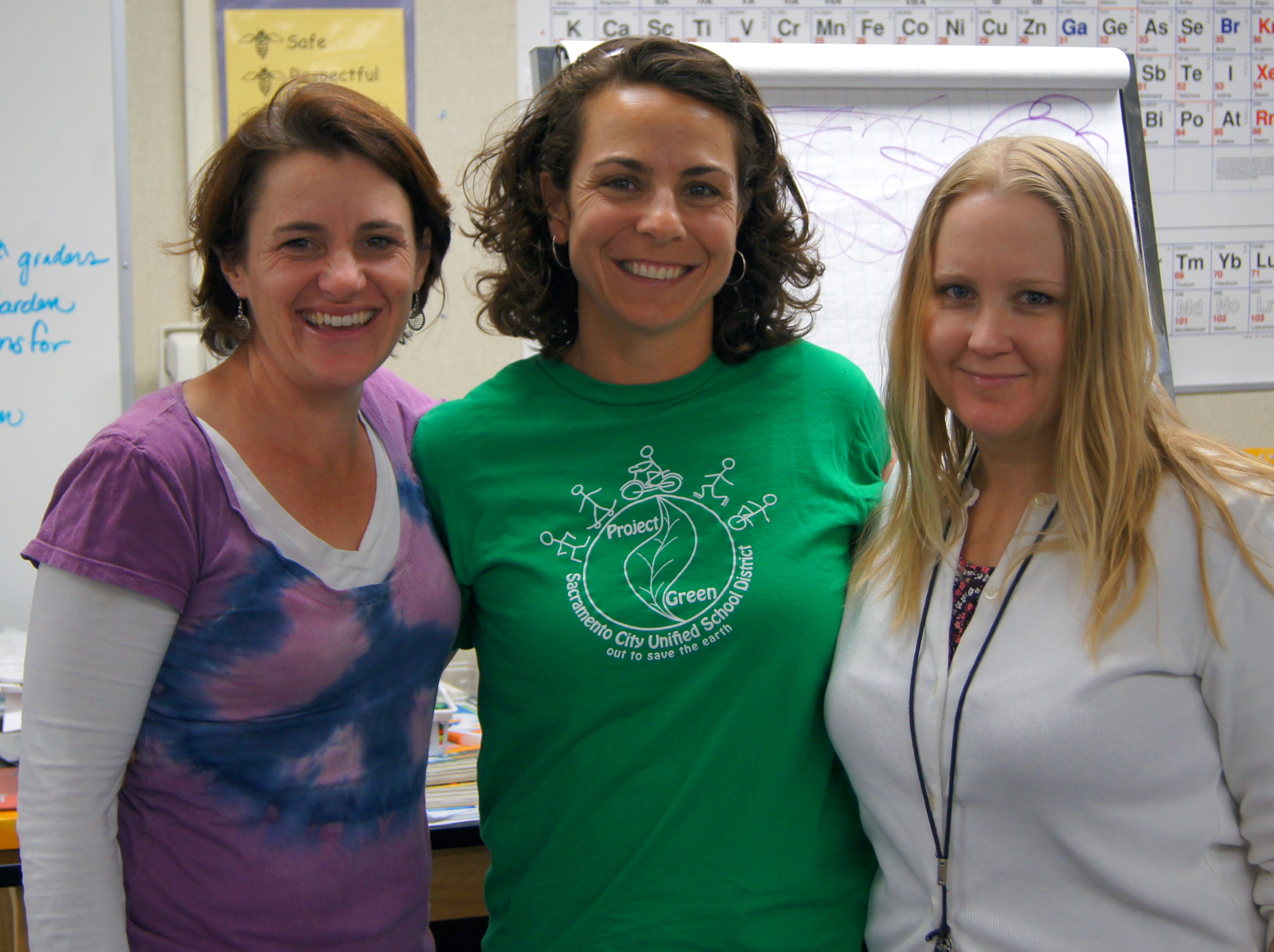
Shannon Hardwicke is their fearless leader.
Hardwicke cultivated the program in 2008. The school’s principal approached her with a simple garden plan that grew and grew.
“Now we have a whole campus science and green program with a multi-zone garden,” Hardwicke said.
Hardwicke loves the mess of country life and so do the children.
“I have three kids at the school. This is the perfect place to work,” Hardwicke said.
Hardwicke is the only paid employee of the program. She receives a small salary from the school’s PTA. All the other adult coordinators are volunteers.
The program is a lunchtime optional class. Kids eat lunch and then hit the dirt. They are part of the school’s Green Team that works the land. It’s a commitment for the pint-sized farmers.
“It’s a lot for a seven year-old to give up lunch free time,” she said.
Hardwicke watches a batch of children chew, as they hurry eating so they can get to work.
“We started with just a few kids and now we have more that 45 students on the Team. At first it was just the elementary pupils. Today the primary, pre-kindergarten and pre-school are involved,” she said.
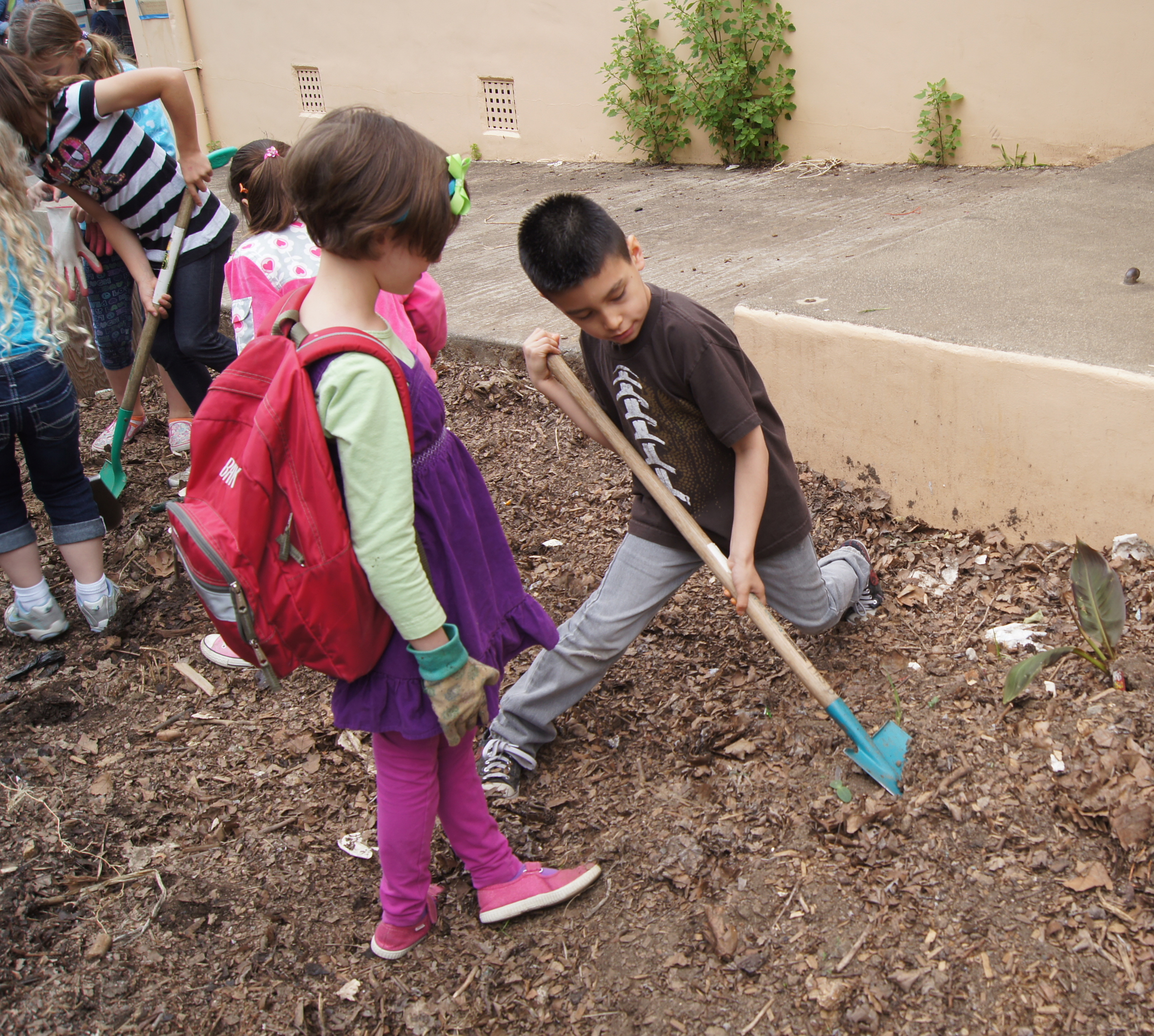
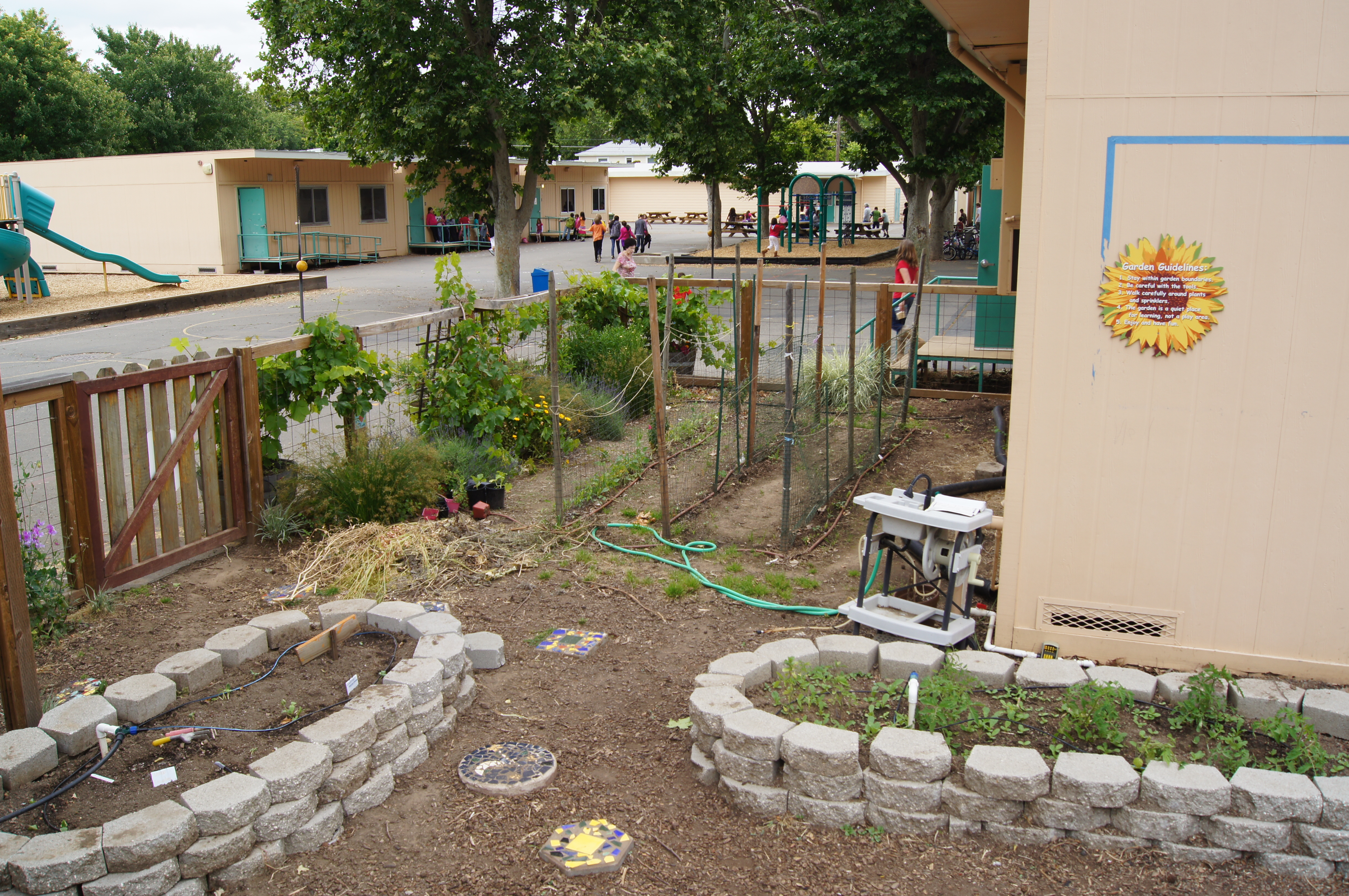
The pupils study science lessons and manage multiple stations in the operation. There are several vegetable plots, a compost operation, a green house, butterfly pavilion, and the students participate in a nationwide study.
Science Alive is also a pilot program for Sacramento City Unified School District.
Harvesting Dirt
A rangy girl with turned backwards, adult-sized gloves, (on the wrong hands, too) held up a wriggling line on her palm, “Look, it’s a worm!” she crowed. A smiling circle gathered to stare at the worm and then enthusiastically began to mine for more.
“Okay let’s put the worms back!” A volunteer gently steered the group back to work.
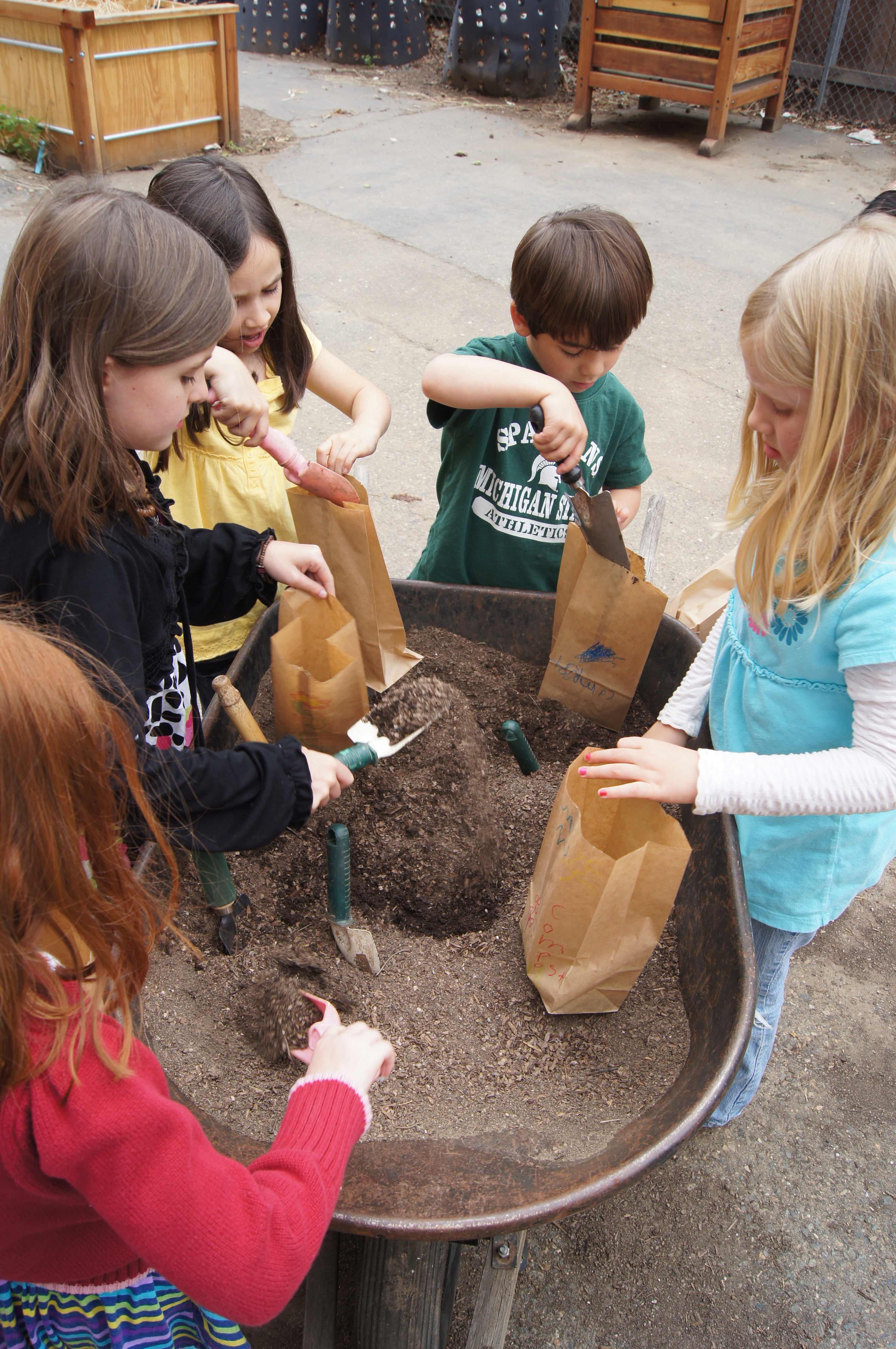
It’s dirt season and the kids love it. On a cool school day a cluster of pupils moved earth. They dug, sifted, and bagged pounds of fresh, rich compost.
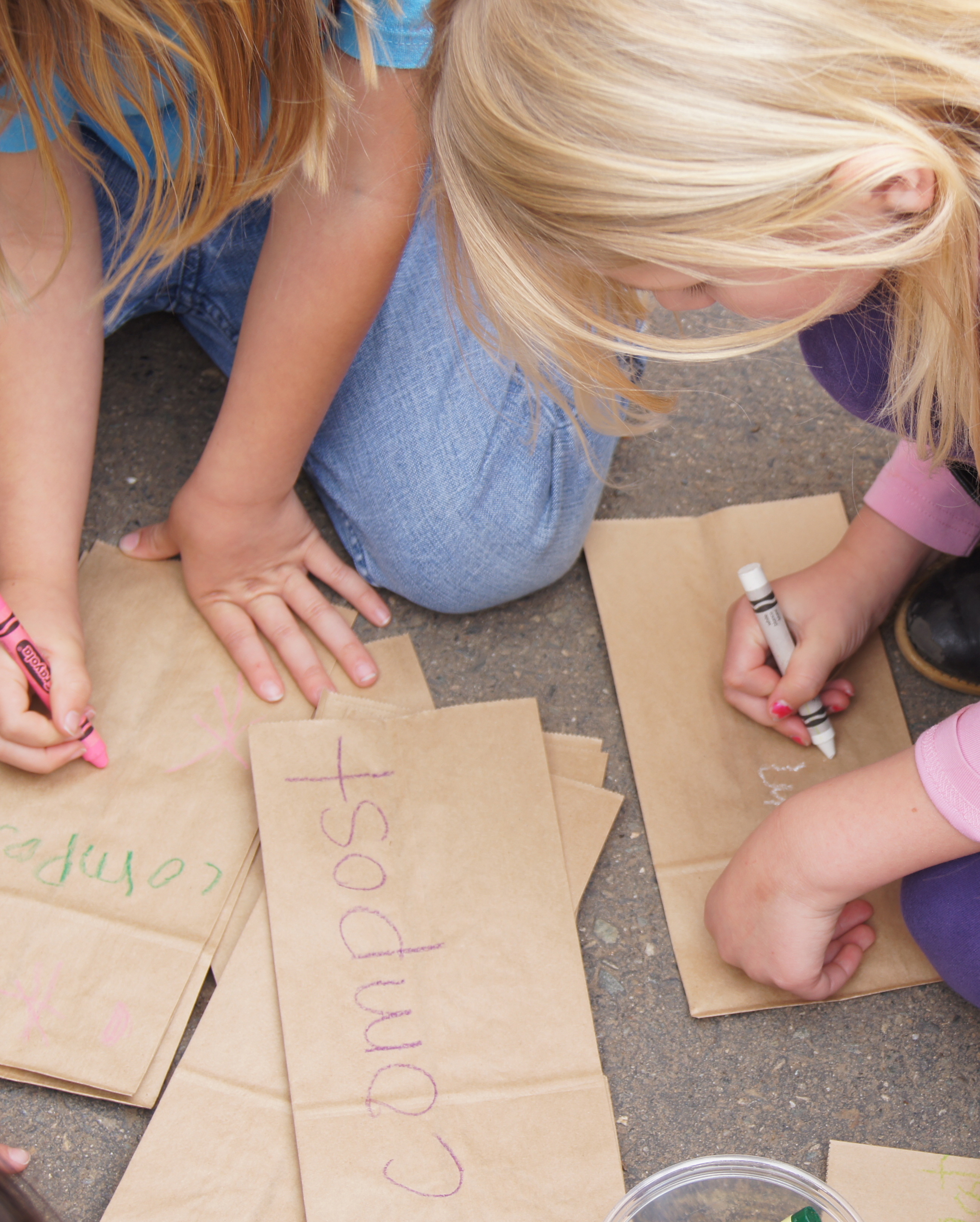
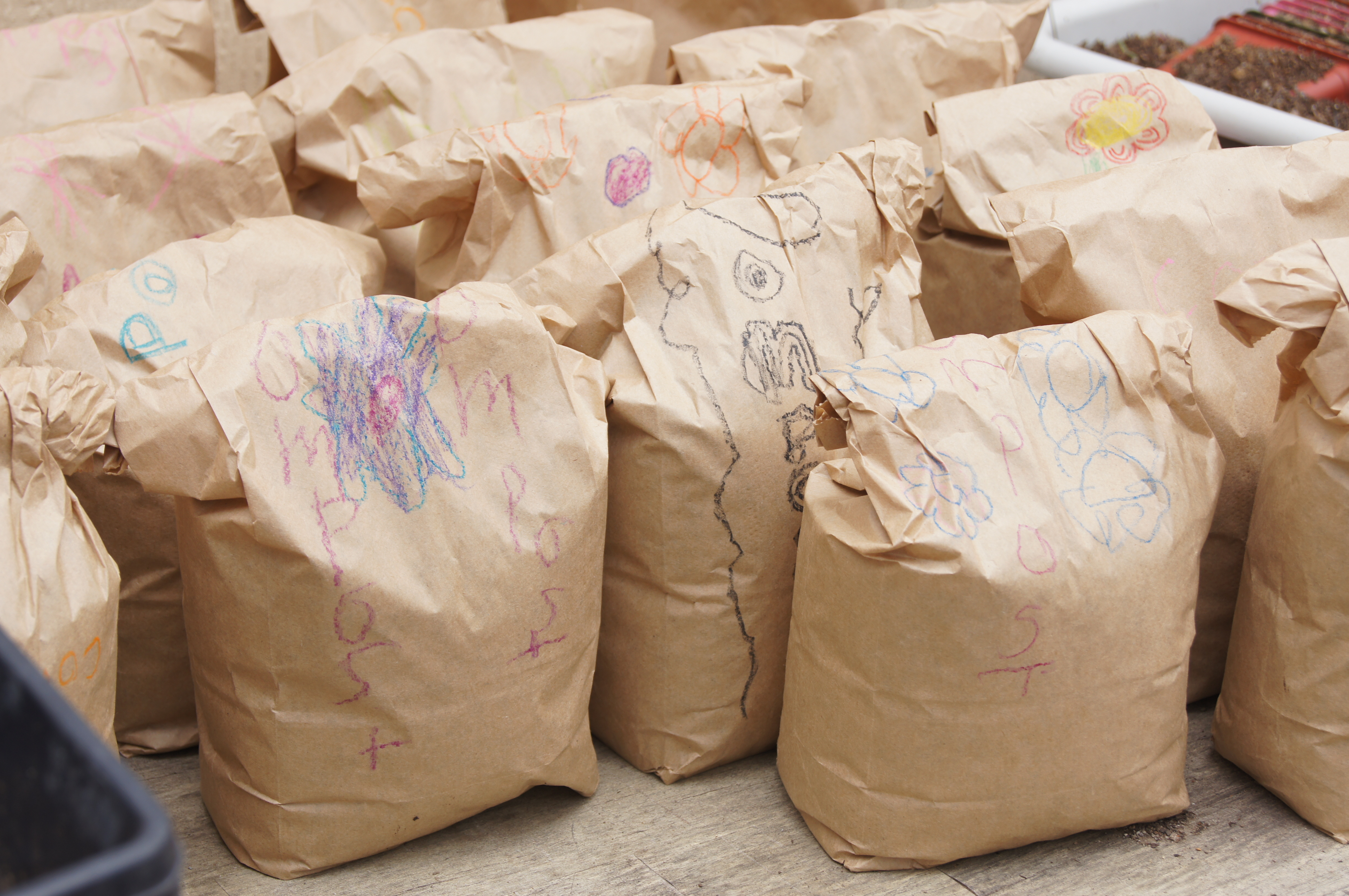
Students labeled lunch bags with crayon and lined up the soil stuffed sacks on a table.
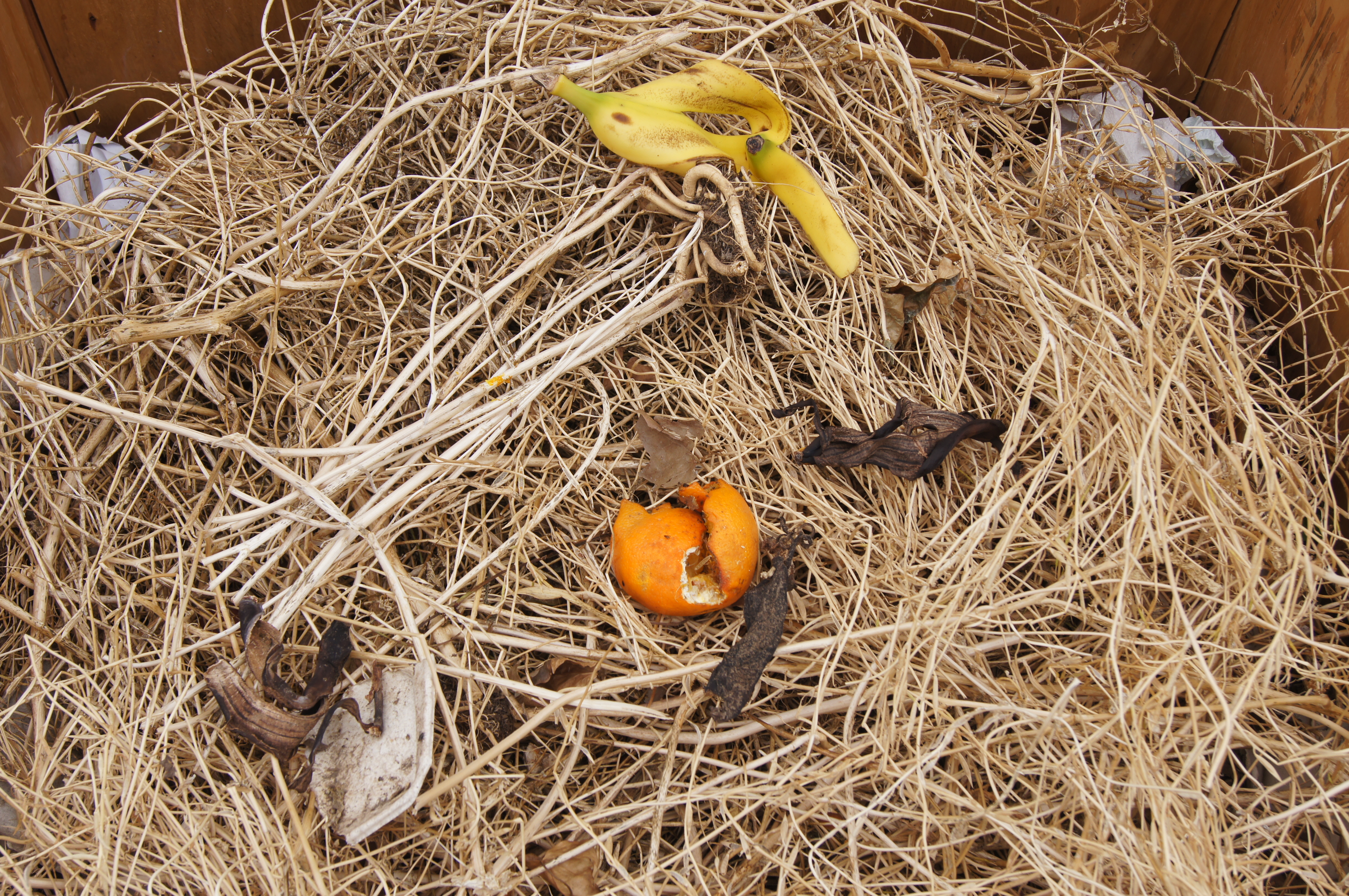
“This is harvest time. They’ve been prepping, turning, adding to and ripping biodegradable lunch trays for the compost all year. Now we’ll be selling it at a fundraiser,” Hardwick said.
Tap and Stack
“I guess you could call me a waste manager,” Yolanda Milken smiles.
Milken is one of the volunteer parents.
Garbage mounts up quickly at a school. Milken figured out a way to cut the pick up days and use more waste in the compost heap.
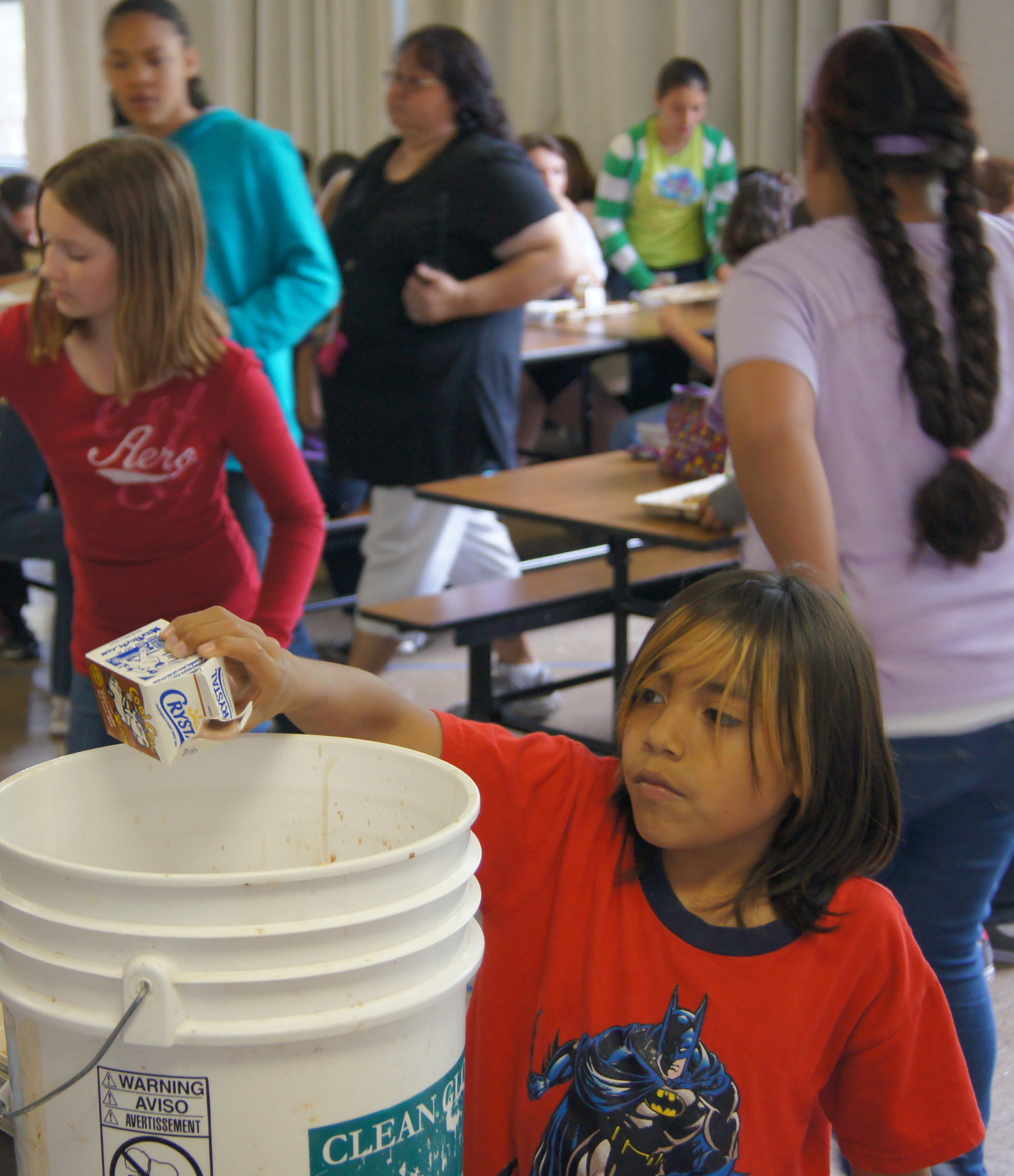
Students now empty milk cartons before throwing them away.
“With the milk out of the carton the garbage doesn’t stink. This cuts garbage pick up from five days a week down to two,” she says.
Each student also carefully taps food leftovers from their trays into a collection can. This is added to the compost.
Flight
Behind a group of portables, stands a tall, black mesh tent. This is the Butterfly Pavilion.
Monarchs and other types of butterflies are nursed here. The students raise the wild things from eggs, through babyhood to adults, and then release them.
The pollenizers help the kids complete the growing cycle and teach them about the circle of life.
Scientific Inquiry
A tripod with a mini solar panel crouches over a broccoli patch.
Science Alive was awarded $20,000 from Hidden Valley and selected to be one of five American schools to participate in an agricultural study.
A solar camera watches one section of the garden and the growth is measured and compared to four other student gardens across the country.
“We’ve had a slow start with the odd weather, but we’re still participating,” said Hardwicke.
The Classroom
One half of the project is practice and the other half is theory. The project’s science lab gives teachers a hands-on area to teach conservation principles and green technology.
Kindergarten teacher Audrey Marshall is a teacher-partner.
“I’m part of the Green Team. Several teachers and I bring students to the class,” she said.
The Community
“I never envisioned all this when we started. Our kids learn real science and conservation techniques,” said Hardwicke.
The Green Team is a group effort. Dozens of volunteer parents help at the school.
“The adults all work together and shuffle responsibilities to sustain the Green Team.” Hardwicke said.
The community also pitches in. Seland’s restaurant is one of the local waste-contributing vendors.
Compton’s Market hosts an annual fundraiser for the school. Students sell bags of super dirt (compost) to neighbors at the event and enjoy a festival with a BBQ and other fun activities.
The women have gone far beyond sustaining the Team. They’ve created a nationally recognized pilot program. They’ve got the ‘green’ stuff and they are growing.
2011 Theodore Judah Fundraiser and BBQ
When: Saturday June 11th 12:00 – 4:00
Where: Compton’s Market, 4055 McKinley Blvd.
Green Team organic compost for sale!
Food Games Music and a Raffle
Shop at Compton’s and support your favorite school.
Five percent of the store’s proceeds during the fundraiser will go to Theodore Judah.
Posted in Essays, Uncategorized
2 Comments
East Sacramento Spring
One East Sacramento spring, more years ago than it is polite to specify, my parents brought home a parakeet. We six children had endured a chill, grey March, often staring out the big picture window at the blustery storms that made the street unplayable. Then came the bird, complete with cage, a little swing, a little mirror, the works. We gathered around. We couldn’t tell if it was a boy or girl so naming it posed a small problem. Finally my sister, Kathleen, said we should call it Sunshine because sunshine was something we wanted but never got. So Sunshine it was. Our father said that if it turned out to be male it would have to “frilly”, but he approved the name for a bird of undetermined gender, and Sunshine perched in seeming merriment in its cage by the window. Sometimes we gathered around and sang Mac Namera’s Band and Sunshine went into a twittering frenzy of hopping and fluffing that we thought was dancing. The rains continued but now we had Sunshine, indoors.
The next Saturday morning we woke to the real sun. We burst out the door. The dewy grass sparkled; the cleansed air filled our lungs. This world glistened—the camellias, the white Jasmine, the arching green trees, everything in brave flourish. We lived on 42nd between D and E, and from across the street the Stevenson kids ran out to meet us. We were sprung, it was spring. Kathleen said, “Let’s bring Sunshine out in the real sunshine,” and we made a parade of kids escorting Sunshine in its small gage to Warner’s Market on the corner of F. “It’s spring,” we told the nice lady behind the counter. “You kids be careful carrying that bird around,” she said. A man by the door added, “Watch out for crows.” He said crows would dive on Sunshine, claw its feathers off and rip its throat with their beaks. Kathleen carried Sunshine and the rest of us formed a guard on the way home. The gutters were filled with twigs so there were sticks aplenty. A new boy joined us, Todd, age 6. Todd waved his stick and said, “This is my sword to fight for Sunshine.” We were a ragged but noble army, eyes skyward, armed against the crow.
When we got home our mother said we were not to traipse around the neighborhood with the bird, nor were we to talk to strange men at the market. She called Mrs. Warner to make sure we hadn’t caused any trouble. Then she made lunch and when she brought a second bottle of milk to the table she saw Todd munching a peanut-butter and jelly sandwich. “Who’s this?” she said. “Good Lord.” It seemed to us that she said, who or what’s this? followed by, Good Lord, at least twelve times a day.
We settled into an exuberant spring. Sunshine, perched in the cage by the window, chirped as we bounded by. These days the glory of life was outdoors: McKinley Park where we played on the swings and bars; the empty lot where we had created a medieval fort with tunnels and where we stood on mounds of crusty earth and announced, I claim this land for the USA.
The catastrophe came another Saturday. Kathleen, followed by Moira, Sheila and Danny ran shouting from the house: Sunshine had flown away. Someone left the cage open. Sheila saw something fluttering and yellow in the Sycamore out front. My mother said, “Go get your father,” and I ran around to the back yard where my father, who had just quit smoking, paced along the fence and talked to our neighbor, Mr. Toniola. My father got a ladder and ran around to the front, propped it against the tree and ascended, while Moira and Sheila sobbed and called out, “Sunshine, Sunshine.” Our father was 6’4” and had a commanding view of the leafy interior of the tree. “I don’t see the !#$!!*&%#!! bird,” he said. He had spent some years in the Navy where he acquired a certain urgency of phrase. I thought I saw something yellow in the tree in front of the Apperson’s house so my father moved the ladder and climbed there. Next Todd arrived and joined in the sobbing and this inspired Danny and Michael to cry also, and you could tell the wailing distressed my father. Mr. Toniola came out with his ladder and climbed the trees in front of his house. Then from Kathleen–a piercing long scream. She pointed at the sky. Crows. The shrieking intensified. Doors opened. The Stevenson’s patrolled the trees on their side of the street. Mr. Apperson brought out his binoculars and said, “How far can a parakeet go?” Mrs. Lindell from the corner said she would make cupcakes for everybody.
A tall girl with long, dark braids, famous for being a sixth grader, rode by on her bike and said she’d seen a parakeet in a tree way around the corner. We got the cage, piled into our station wagon and Mr. Toniola’s truck and followed the girl. There was the tree. We piled out. Up went the ladders. The cawing of the crows seemed now a hungry clamoring. My father said, “You kids. Stop crying and sing. Maybe it’ll lure the !!#%^&^% thing.” So we clustered at the trunk and sang a tearful Mac Namera’s Band while my father and Mr. Toniola poked through the leaves. No luck. No Sunshine. We stopped at Warner’s Market on the way home and my father bought a pack of Camels. “The kids lost their little bird,” he said to Mrs. Warner. “My nerves are shot.” Mrs. Warner gave each of us a Tootsie Roll. Sheila said all she could see in her mind was a little pile of yellow feathers and a bunch of greedy crows smacking their lips. No point to say that crows didn’t have lips. The sorrow was the point.
When we got home our mother was sitting on the porch with Mrs. Apperson. “Give me that cage, gang,” she said. She had a strange smile. We knew in an instant. Kathleen screamed, “Sunshine,” and ran into the house. There was Sunshine, safe under the giant colander on the table. How did our mother find Sunshine? She didn’t, she said. When we all left Sunshine flapped into the house and sat on the table. Down came the colander.
On the Fourth of July we had a block party and my father made a little speech thanking our neighbors for helping in the search for Sunshine. “This is the best street in town,” he said, and we all clapped hard for the truth of it. It was sad to leave East
Sacramento a few years later for a bigger house in the suburbs but we knew we’d come back and we took Sunshine with us.
Many springs later my brother Danny and I drove through the old neighborhood. “I loved it here,” Danny said. We slowed down in front of the house. “Hey, look,” he said. I thought he meant the house, but no. He pointed up the street. Two girls rode bikes, each with a parakeet on her handlebars. Strings were attached to the birds’ legs. The parakeets leaned forward into the wind and seemed to peer around with tiny head jerks. Checking out the neighborhood. The girls stopped and let the parakeets zoom up as far as the strings allowed.
Pat Lynch
Posted in Essays, Uncategorized
Comments Off on East Sacramento Spring
 Check Us Out On Facebook!