Welcome to East Sacramento Preservation

East Sacramento Preservation is a 501(c)(3) nonprofit grassroots group. We work to protect historic structures, parks, and the character of our neighborhood. We advocate for a safe, healthy environment and honest, transparent government.

We are proud to support local students through our ESP Scholarship Fund—an investment in the next generation.

We support the expansion and long-term health of the neighborhood tree canopy through coordinated park planting and stewardship programs.

Advocacy for Public Spaces and Historic Buildings

East Sacramento Preservation advocates for the protection and stewardship of everyday public spaces and historic buildings that define the neighborhood’s character. We work to ensure these places are respected, preserved, and thoughtfully integrated into a changing city.

Trash Abatement and Shared Spaces

ESP organizes trash abatement and improvement efforts in parks, alleys, walkways, and other shared neighborhood corridors.

Join us! Whether you volunteer, donate, or simply stay informed, your support helps keep East Sacramento strong.

Please use the DONATE button on the right hand side of the page to join or donate.

Meetings – 2nd Wednesday of Each Month
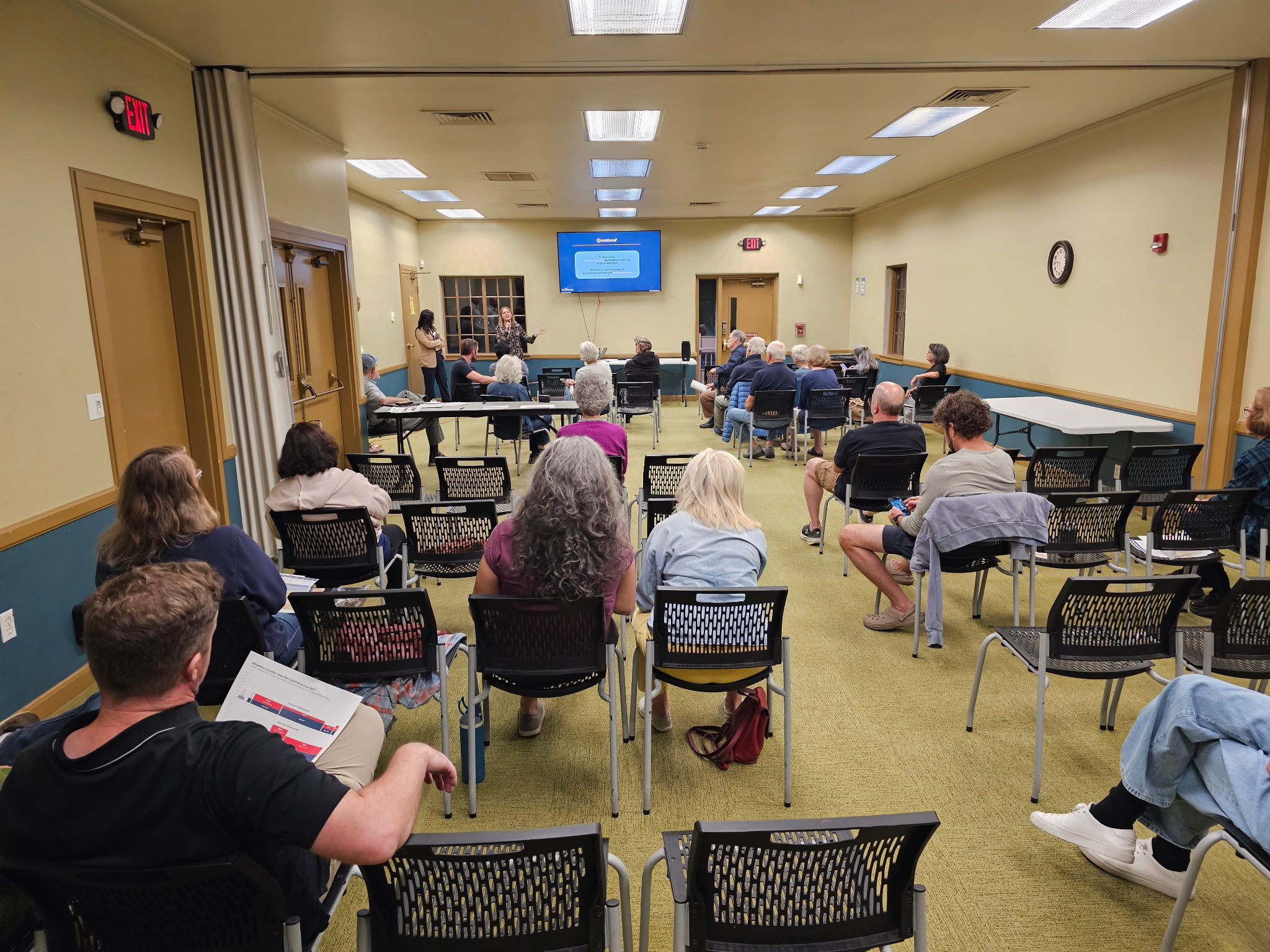
Meetings begin at 6:30 PM, Clunie Clubhouse, Alhambra Room (winter meeting hours)

contact@eastsacpreservation.org
PO Box 191763
Sacramento, CA 95819

Board Meeting Minutes July and September 2026

These abbreviated minutes combine the principal reports, decisions and follow-up items from both meetings. The garden update reflects developments completed after the July meeting and reported by September.

JULY 8, 2026 BOARD MEETING

Location: Clunie Community Center, Alhambra Room  |  Present: Martín Palomar, Will Green, Rose Luther, Anita Clevenger and Ellen Cochrane; guest Shannon Ross. Absent: Cindy Oropeza and Sandra Carter.

  • El Dorado School gardens: Anita Clevenger presented a proposed maintenance arrangement for the closed school property. The board discussed irrigation, Master Gardener participation and the need for volunteers; Anita agreed to lead the garden committee.
  • El Dorado School disposition and historic designation: The board reviewed the completed 7-11 Committee process, the district’s next steps, and the upcoming state and city historic-designation hearings. ESP continued organizing public comments, letters and neighborhood outreach.
  • Board business: The previous minutes and Treasurer’s Report were approved. ESP supported coordination for National Night Out. Rose Luther reported on a successful multi-group community planning meeting and submitted her board resignation.
  • Community work: The board reviewed McKinley Park irrigation and tree care, confirmed the July 12 Trash Dash, and discussed communications, board recruitment and continued advocacy for the school property.

SEPTEMBER 9, 2026 BOARD MEETING

Location: Clunie Community Center, Alhambra Room  |  Present: Anita Clevenger, Ellen Cochrane, Martín Palomar, Cindy Oropeza and Sandra Carter.

  • Garden stewardship: ESP had entered a formal agreement with Sacramento City Unified School District to care for the Rain Garden and the Gilmore Garden, also known as the Edible/Pollinator Garden. Volunteers were organized into two crews, with support from Sacramento County UC Master Gardeners and other neighborhood volunteers.
  • Garden work and outreach: Restoration of the Rain Garden was underway, and the Edible/Pollinator Garden was being developed for community participation. Regular work sessions were set for Tuesdays and Wednesdays, 8:30–10:30 a.m. ESP planned website stories, photographs and volunteer recruitment.
  • Historic designation: The Sacramento City Council approved local landmark designation. The California State Historical Resources Commission approved the National Register nomination for forwarding to the National Park Service for federal review.
  • Board business: The previous minutes were approved. The board renewed ESP’s Preservation Sacramento membership, reviewed website and scholarship updates, and discussed a fall celebration of ESP’s recent successes.
  • Community work and next meeting: McKinley Park watering and tree supports were being maintained. The next Trash Dash was scheduled for September 20; the next board meeting was set for October 14 at 6:30 p.m.

CONSOLIDATED FOLLOW-UP

  • Continue garden volunteer recruitment, restoration, community-garden planning and public updates under ESP’s stewardship agreement with the school district.
  • Continue monitoring the El Dorado School disposition process and the federal historic-registration review, while keeping the neighborhood informed and involved.
  • Maintain ESP’s website, email and social-media outreach; continue McKinley Park stewardship and recurring Trash Dash events.

There was no August 2026 Board Meeting.

Posted in Meeting Minutes, Uncategorized | Tagged , | Leave a comment

A New Chapter for the Historic El Dorado School Gardens

When neighbor Anita Clevenger retired, she set two goals for herself: become a Sacramento County UC Cooperative Extension Master Gardener and spend time outdoors every day. One of her many Master Gardener projects brought her to the school gardens at the El Dorado School’s McClaskey Adult Center, where she advised students working in the gardens.

Today, Clevenger is spearheading the care of those same gardens at El Dorado School. Working alongside other Master Gardeners and a growing crew of neighborhood volunteers, she is helping protect two distinctive community spaces during a period of transition. East Sacramento Preservation has entered into a formal stewardship agreement with the Sacramento City Unified School District to care for the school’s Edible/Pollinator Garden—identified as the Gilmore Garden in the agreement—and its Rain Garden. The agreement allows volunteers to maintain the gardens while the district proceeds with the sale of the property. That process may take approximately two years.

Back Row, Left to Right: Paul Harris, Walt Seifert, Marcia Sabeh, Kathy Harris, Nadia Sabeh , and Mike Buligan. Front Row, Left to Right: Anita Clevenger and Kelli Hallenbeck.  

Back Row, Left to Right: Paul Harris, Walt Seifert, Marcia Sabeh, Kathy Harris, Nadia Sabeh , and Mike Buligan. Front Row, Left to Right: Anita Clevenger and Kelli Hallenbeck. 

For Clevenger and the garden crew, the work involves more than pulling weeds and pruning overgrown plants. “The gardens are closely tied to the school’s students, teachers, history and our neighborhood,” said Clevenger.

A Garden Created by Students

The Edible/Pollinator Garden was established in 2012 near the corner of 53rd and J streets. Teachers Kathy Harris and Cathy Ramirez led the effort to establish the garden, and their adult students with developmental disabilities helped bring it to life.

The students propagated plants, started seeds, planted garden beds, tended crops and harvested what they grew. They sold plants, produce and flowers during spring and fall plant sales and at pop-up stands along J Street.

The garden was also a place to slow down.

“Students enjoyed their morning coffee there, taking in its peace and beauty and greeting neighbors—and their dogs—as they passed,” Clevenger said.

Today, the garden includes two apple trees, two pomegranate trees, a large Meyer lemon tree, a fig tree, herbs and an array of flowering plants. Climbing along the fence is a Peggy Martin rose, sometimes called the Hurricane Katrina survivor rose. The variety became known for surviving approximately two weeks under floodwater following Hurricane Katrina in 2005. Its vigorous return made it a living symbol of endurance and renewal.

That story feels especially fitting in a garden now entering a new stage of its own life.

Making Room for a Community Garden

The vision for the Edible/Pollinator Garden is to operate it as a community garden. Volunteers may tend individual beds or work together to plant, maintain and harvest shared crops.

There is currently room for volunteers interested in planting a winter garden. Produce will be shared among volunteers and the surrounding community, with excess harvests donated to River City Food Bank.

Under the guidance of Sacramento County UC Master Gardeners, volunteers will also learn how to propagate roses and perennials. The goal is not only to maintain the garden, but also to create a place where neighbors can exchange practical knowledge and learn alongside one another.

Restoring the Rain Garden

The school district installed the Rain Garden in 2017 following years of study by students and staff on ways to conserve water.

Its system of three catchment basins collects and retains rainwater, while hundreds of native plants provide food and shelter for birds, insects and other wildlife. The garden has been recognized through the National Wildlife Federation’s Certified Wildlife Habitat program and is also listed as a Schoolyard Habitat Garden. In 2024, it was featured on the Gardens Gone Native Tour.

During the past year, however, the Rain Garden became badly overgrown. Its restoration is now being led by Kathy Harris and two UC Master Gardeners, with help from the volunteer crew.

The plan includes removing weeds, trimming plants, spreading mulch and sowing wildflowers in bare areas. Volunteers will also have opportunities to propagate native plants and learn how to care for them.

The work will take time, but the crew looks forward to seeing the Rain Garden become a neighborhood showplace once again.

Stewardship During a Time of Change

Under the agreement, East Sacramento Preservation’s El Dorado Garden Committee is responsible for horticultural care, including planting, pruning, weeding, propagation and harvesting. The school district will continue to provide irrigation and green-waste disposal and maintain the perimeter fencing, gates and water infrastructure.

The agreement remains in effect until the School Board enters into a lease or purchase-and-sale agreement with a potential buyer, either party terminates the arrangement, or December 31, 2028—whichever occurs first.

For the volunteers, that creates both a responsibility and an opportunity. “We want to protect what students and teachers built while imagining how the gardens can serve the wider community today,” said Clevenger.

How to Volunteer

Volunteers currently meet:

  • Edible/Pollinator Garden: Tuesdays, 8:30–10:30 a.m.
  • Rain Garden: Wednesdays, 8:30–10:30 a.m.

Additional workdays will be scheduled as needed.

Children ages 8 and older may participate when accompanied and supervised by a parent or legal guardian. Dogs are not permitted on the property.

To volunteer or request additional information, contact Anita Clevenger at eldoradoschoolgarden@gmail.com.

Whether planting vegetables, learning to propagate a native plant or helping reclaim an overgrown garden bed, volunteers can take part in preserving a meaningful piece of Historic El Dorado School—and help these gardens flourish during the property’s transition.

Posted in El Dorado School, Essays | Tagged , , , | Leave a comment