
Category Archives: Essays
East Sacramento – Home to Neighborhood Electric Vehicles
When gas creeps up to $4 per gallon and affordable, full-sized alternate-fuel cars are in the nascent stage, it’s time to get smart about city driving.
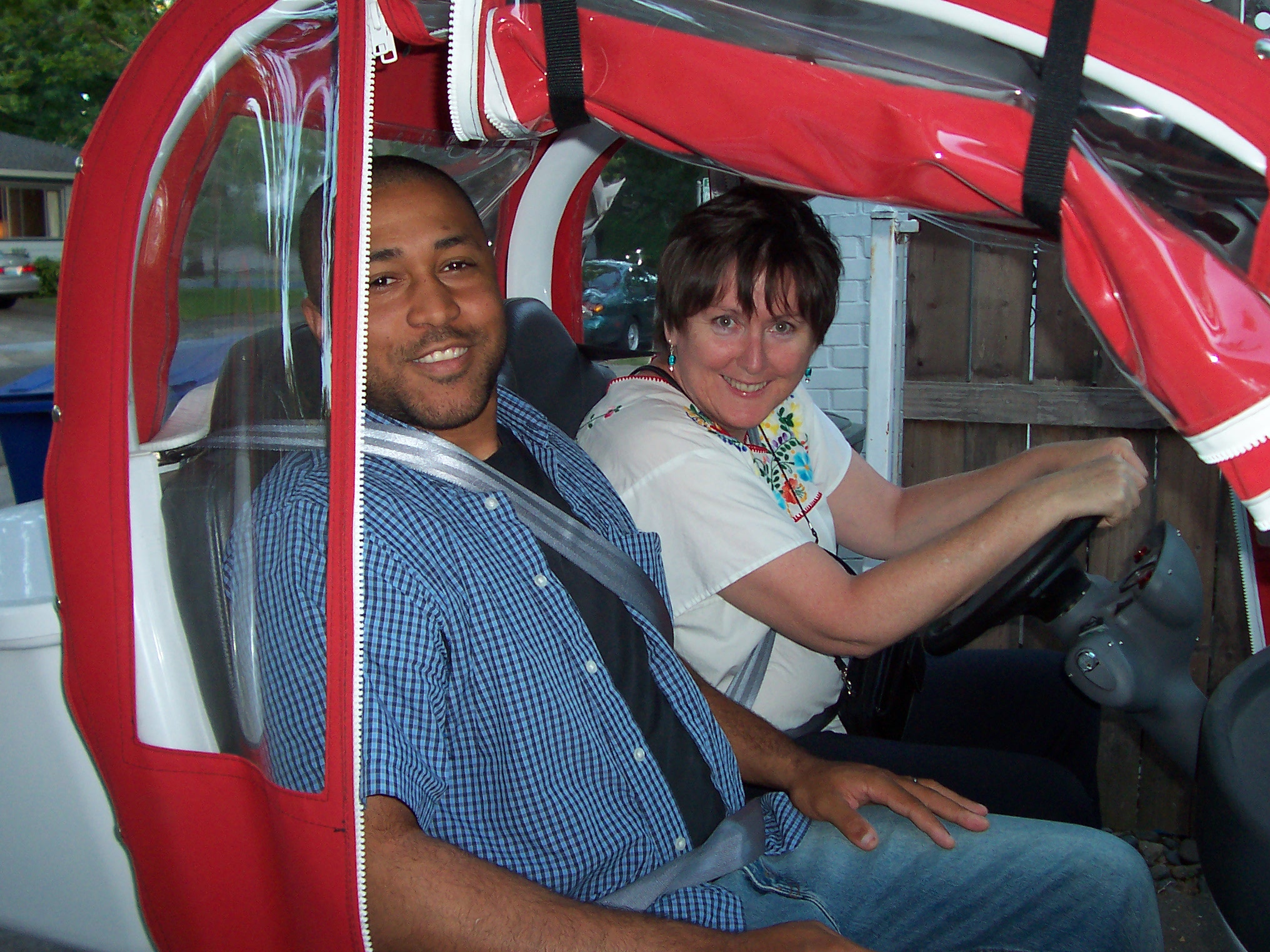
East Sacramentans who drive Neighborhood Electric Vehicles show it’s possible to forget hybrids and go totally electric right now.
The flat Sacramento streets are a NEV paradise. These petite, lightweight, low-speed cars can zip into Safeway parking slots and park and charge in city garages for free.
Pat Lynch of East Sacramento went electric in 2008.
“We didn’t replace our combustion engine. We use our other car for long drives but still chock up about 2500 miles a year in the Gem Car.”
Lynch really likes the free city parking and charging. But the no gas engine really makes her grin.
“I love to cruise smugly past the pumps. Why not drive a small electric car around the neighborhood. It fills a great niche. Short neighborhood trips guzzle gas.”
Lynch never has to smog her car, registration is about $100 and insurance is minimal.
California offers rebates and tax breaks are available. Farmer’s Insurance gives discounts for those who drive alternative-fuel vehicles.
Look around the city for the small cars. They are colorful and look like a tricked out golf carts. The drivers are usually smiling because they’ve never filled up on gas.
East Sacramento Chicken Debate
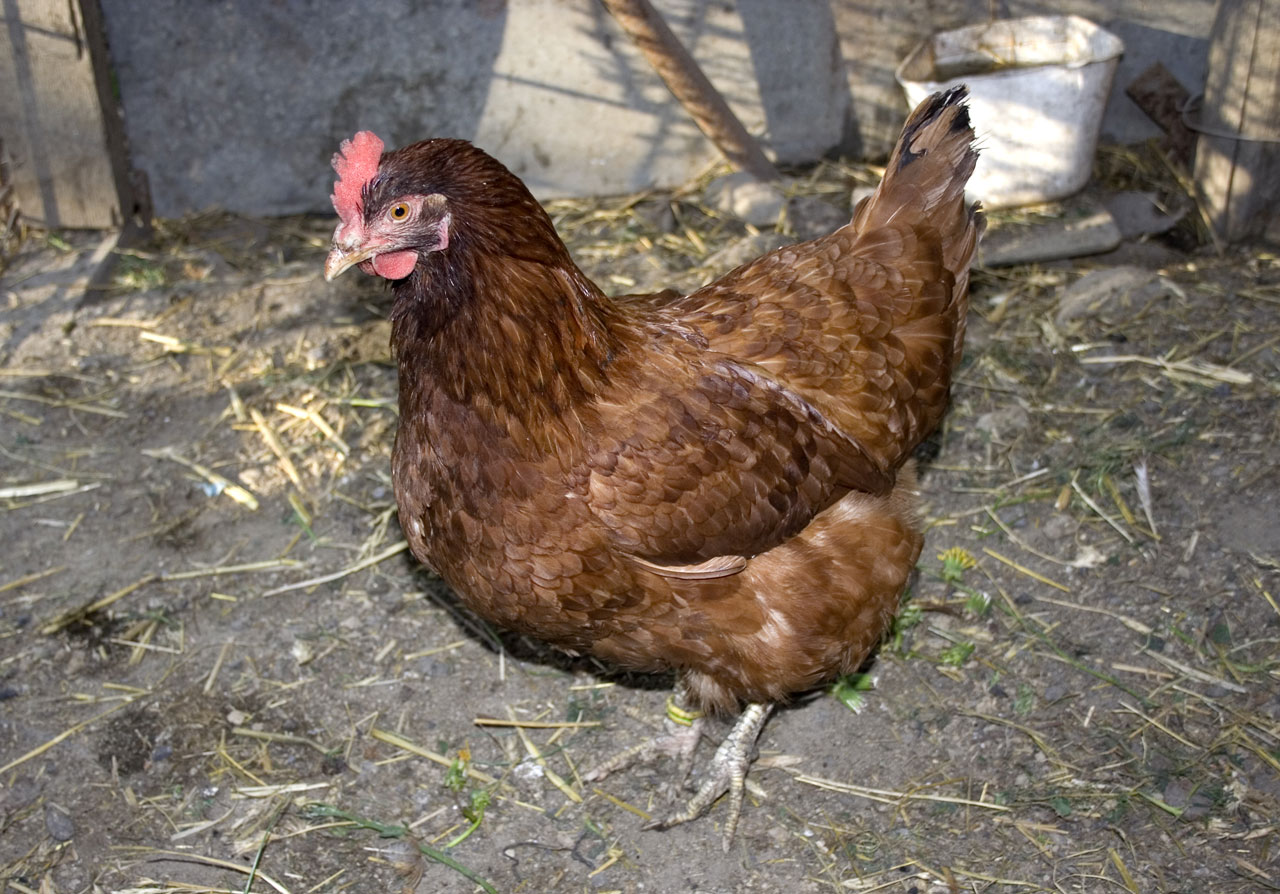
Content egg-layer
The City’s Law and Legislation Committee will consider the costs and consequences of city chickens on February 15th, 3:00pm at New City Hall. Before you weigh in on either side of the great Sacramento chicken debate it’s worth considering the effort and cost that goes into the creation of a city poultry ordinance.
It’s apparently not free to analyze chickens. The City’s Staff Report to the Law and Legislation Committee calculated spending approximately 40 man hours at a cost of $4,000 on the research and review of the potential ordinance. Costs to develop and implement a permitting process are estimated in the range of $1,000.00.
Current nuisance enforcement is nothing to cluck at either. City staff estimates that the current annual cost for responding to calls and hard-boiled enforcement work related to chickens is about $30,250 based on 550 calls estimated at approximately one hour each at $55.00 per hour. Staff estimates that costs will likely remain in a similar range if an ordinance allowing urban chickens is enacted; other jurisdictions reported that they have not seen an increase in calls or problems associated with residents owning egg-laying hens.
There is some cash to be made from the hens. A $15.00 permit to have egg laying hens would be incorporated into the current pet licensing program. The annual administrative cost for the program would be approximately $1,500.00, but estimating 300 egg-laying hen licenses sold the revenue potential would be $4,500.
Chicken advocates are unruffled by the expense, “Chickens are hilarious, green and a move to sustainability,” says Joan Goldie a resident of Tahoe Park. “They’re like little dinosaurs and can become quite affectionate. We owned several hens in San Andreas and had great egg production. It would be a good thing for the city.”
In general, a chicken lays an egg every 24 hours and continues laying for about 3 years. Chickens are silent at night, but make mild noise during the day. Many hens will make a satisfied cluck as they lay.

A clutch of eggs
Tuesday’s meeting will lay all the issues on the table. The city recommends a maximum of three chickens per household. Chickens must not be within thirty feet of any neighboring residence and the following elements need development for a potential ordinance:
• Prohibiting roosters
• Prohibiting slaughtering any chickens
• Enforcement will be complaint driven
• Requiring proper food storage to deter rodents
• Requiring a coop that is adequate in size for the number of chickens
• Requiring license fees
Backyard chickens are fun and fresh eggs delicious, but the birds are seen as a walking banquet by other creatures. We live between two rivers and a healthy population of stealthy wildlife tours the area at night, not to mention feral cats. It would be a sad morning when you explained to your primary grader why there are feathers, blood and no “Henrietta” in the backyard.
Forge ahead with the micro coops, but keep the challenges in mind.
Contact Janine Martindale at 808-5959 to get a copy of the complete staff report.
Posted in Essays, Uncategorized
2 Comments
 Check Us Out On Facebook!